⇑
Stuart T. Hamilton

Stuart T. Hamilton

Aerospace Engineering Portfolio

What lies behind us and what lies before us are tiny matters compared to what lies within us.

— Ralph Waldo Emerson
↓Explore the Work↓
Stuart T. Hamilton

Home01/07

Projects
At a glance
May 2028
B.S. Aerospace, Georgia Tech
Summer 2027
Internship sought
Propulsion
Primary discipline
Clearance
Eligible
Skills
About Me
Drag to rotate Click a node for detail

STUART'SENGINEERING
PORTFOLIO

Continue ↓

Teams and labs

02/07

Organizations

Propulsion Systems Engineer

Propulsive Landers at Georgia Tech

A student-led team at Georgia Tech building the autonomous systems that fly a self-landing rocket. The goal is to be the first student group anywhere to take a hybrid rocket through vertical takeoff and landing, which puts guidance, propulsion and recovery on the same critical path.
Vehicle
Monarch lander

Combustion & Propulsion Systems Engineer

Supersonics Club at Georgia Tech

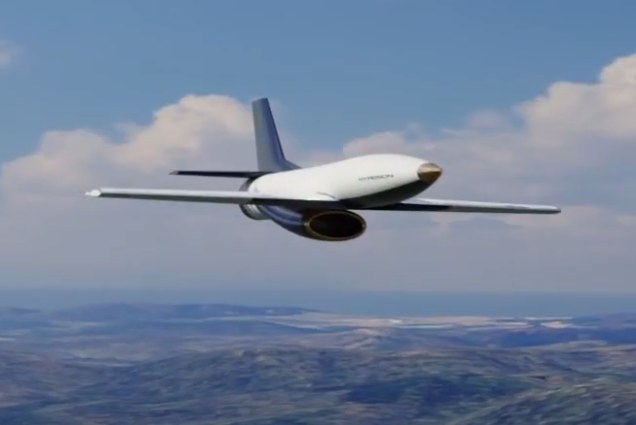
Founded in October 2023 to break the sound barrier with a fixed-wing UAV designed and built by students. Vehicle programs span high-speed cruise through high-g loads, and the team is organised into five technical disciplines covering both the engineering and the logistics of getting an aircraft built, so knowledge transfers as members graduate.

Vehicle
Fixed-wing UAV

Undergraduate Researcher

Computational NanoBio Technology Lab at Georgia Tech

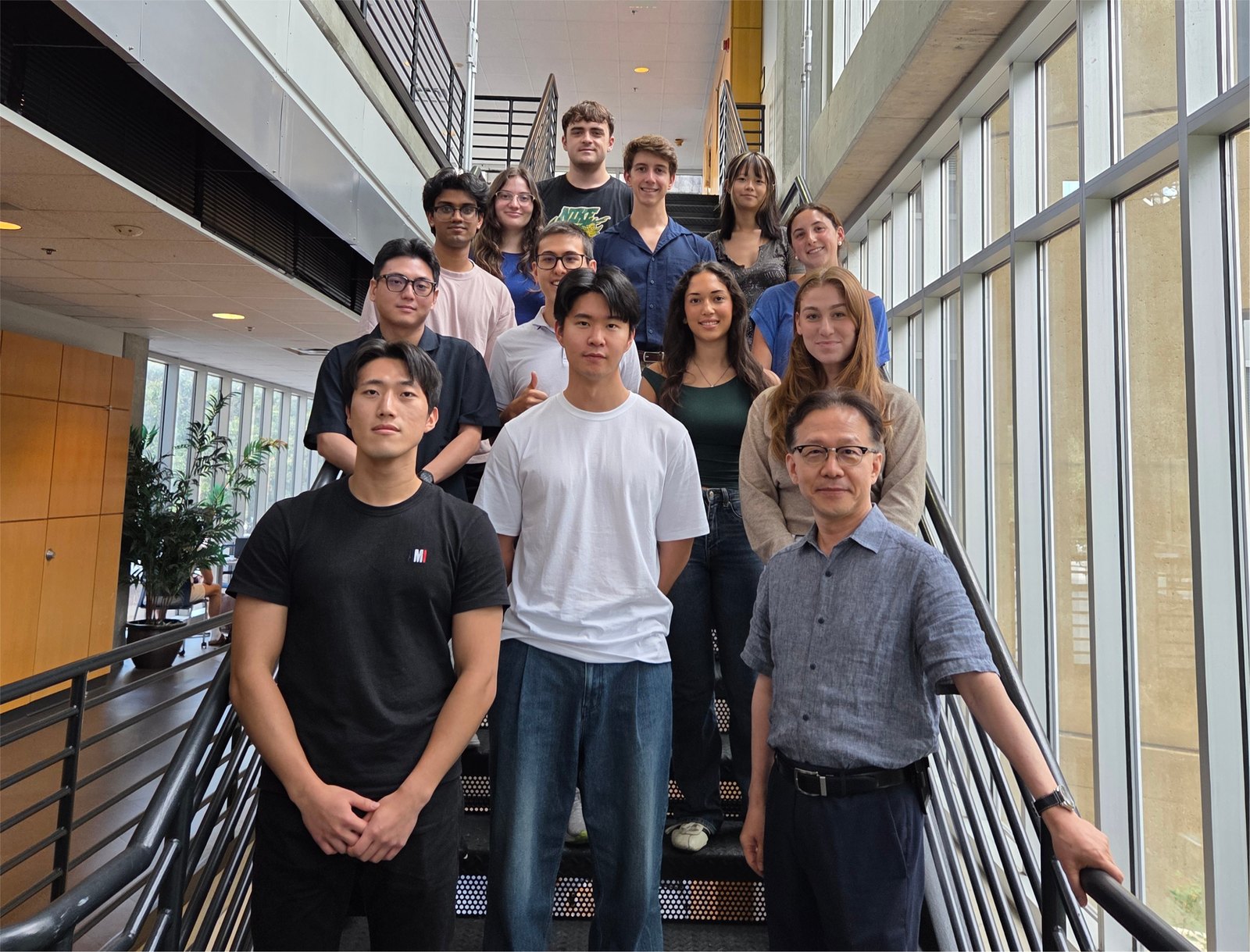
Dr. Seung Soon Jang's group in the School of Materials Science and Engineering. My work models sorbent behaviour for carbon capture, characterising how material structure drives capture performance and what limits it, through density functional theory and molecular dynamics simulations of material systems. A publication is expected by summer 2027.

Led by
Dr. Seung Soon Jang

Selected work

03/07

Project Highlights

Select a project title to open its full write-up.

01

1000N N2O/Paraffin Engine
Role
Propulsion Systems Engineer · GT Propulsive Landers
Period
Jan 2026 – Present

Hybrid rocket propulsion at the kilonewton scale.

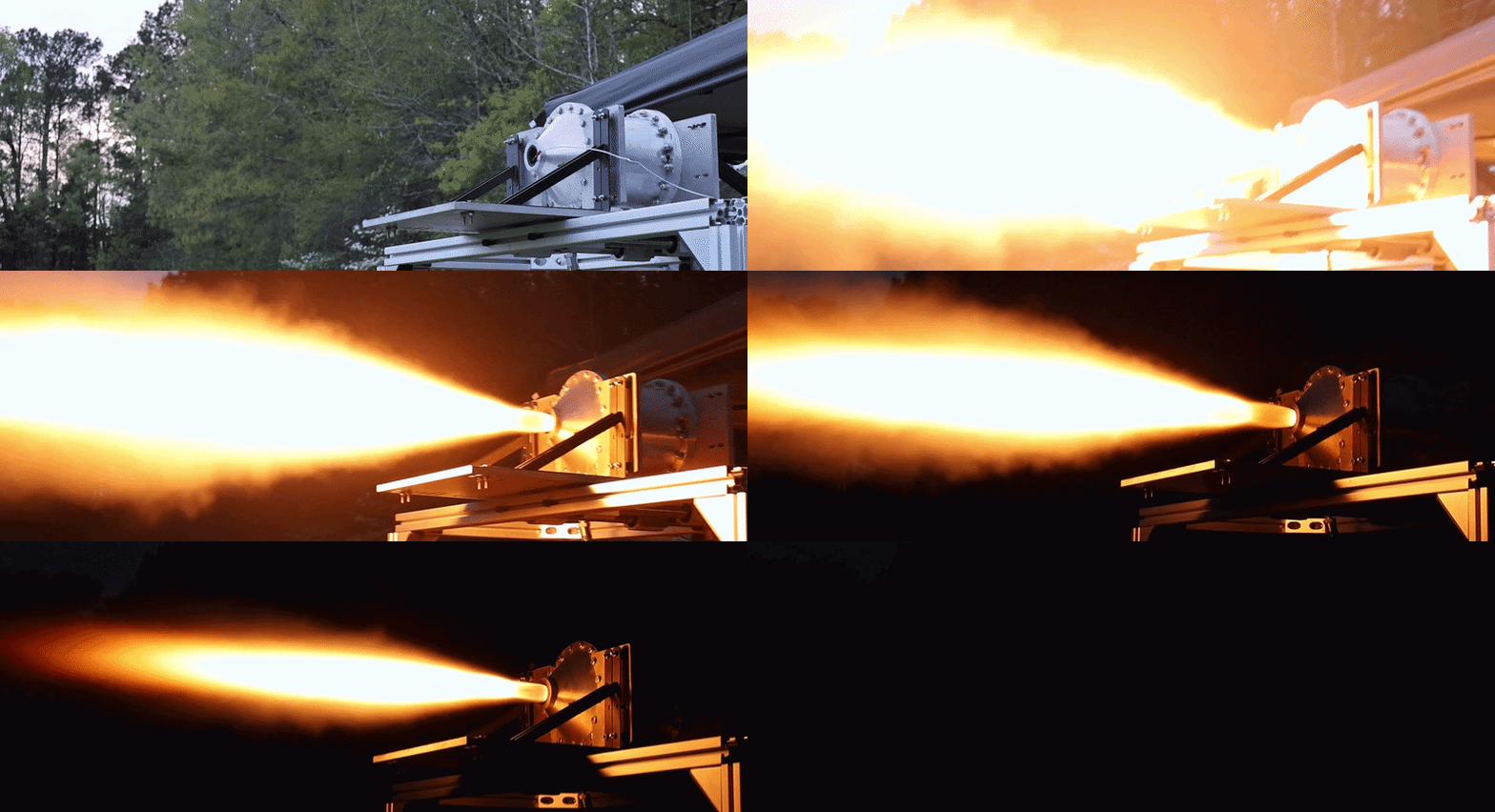
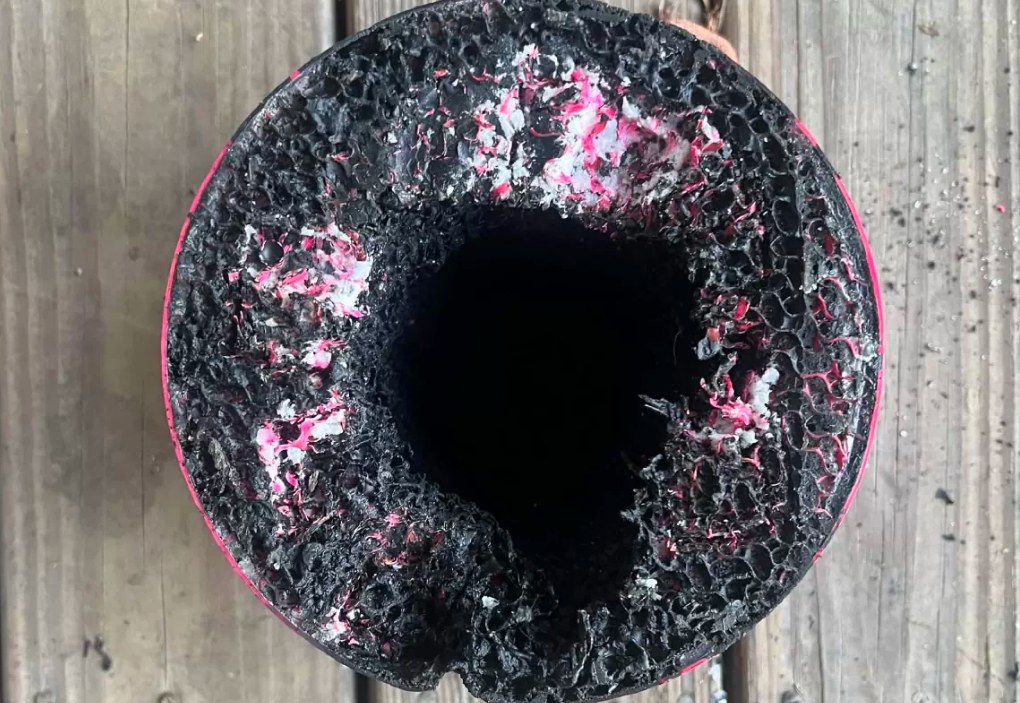
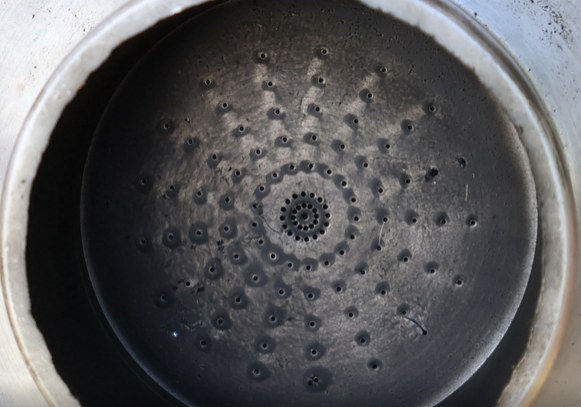
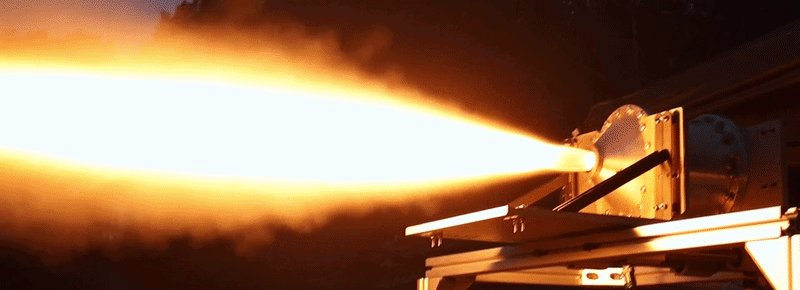
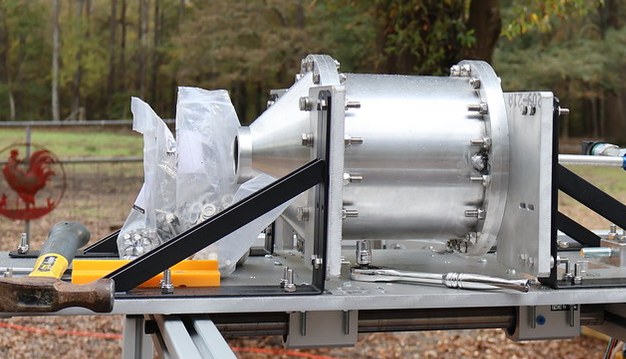
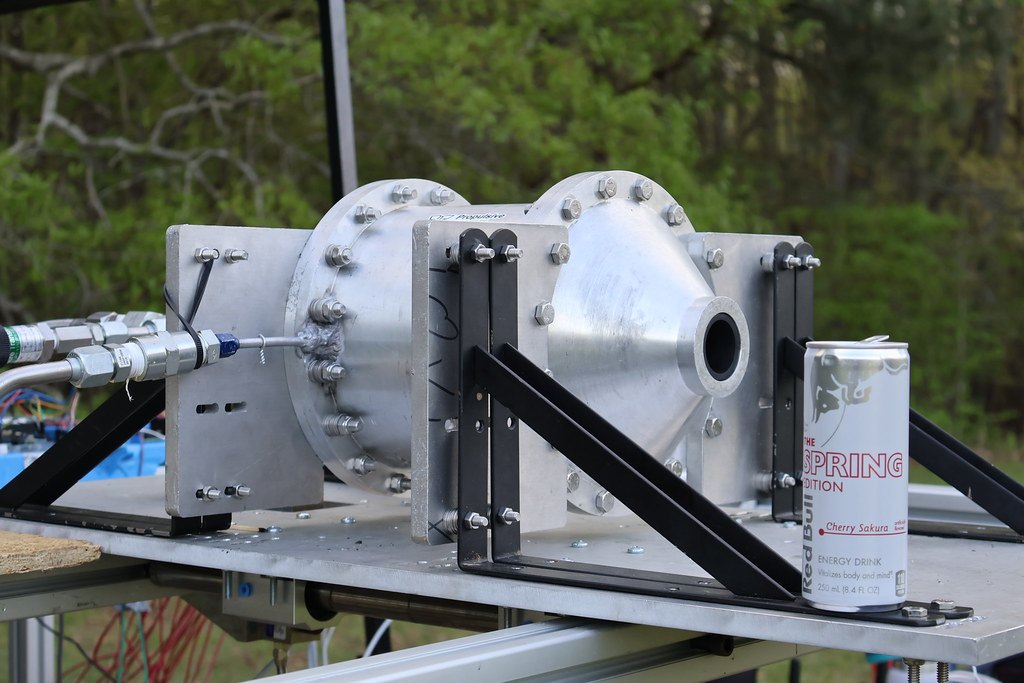
The main engine for Monarch, a reusable hybrid lander. Nitrous oxide oxidiser burns against a cast paraffin grain at 40 barA chamber pressure, holding an average O⁠/⁠F of 7.1 across a 40 second burn. A short pre-combustion chamber addresses the partial combustion that liquefying fuels are prone to.

1 kNDesign thrust

02

NoVA (Nexus of Virtual Autonomy)
Role
Owner · Project Lead · Lead Developer
Period
Oct 2024 – Present

One verified answer from a panel of models.

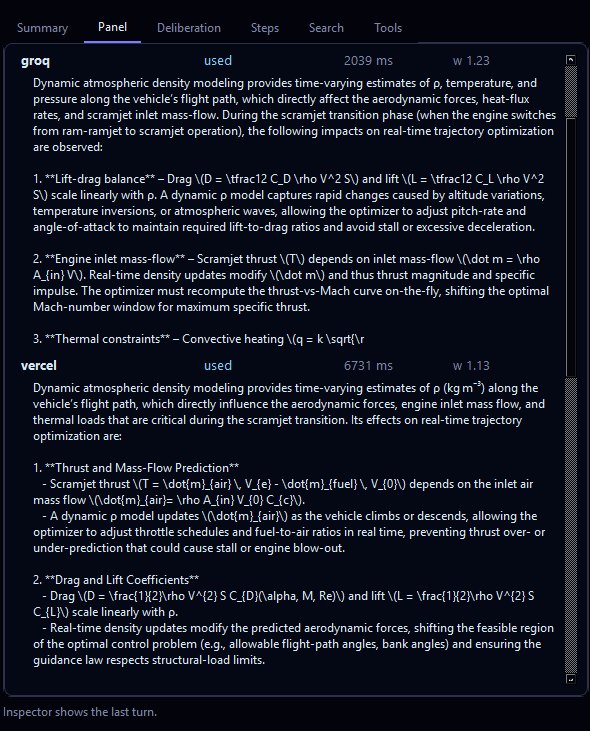
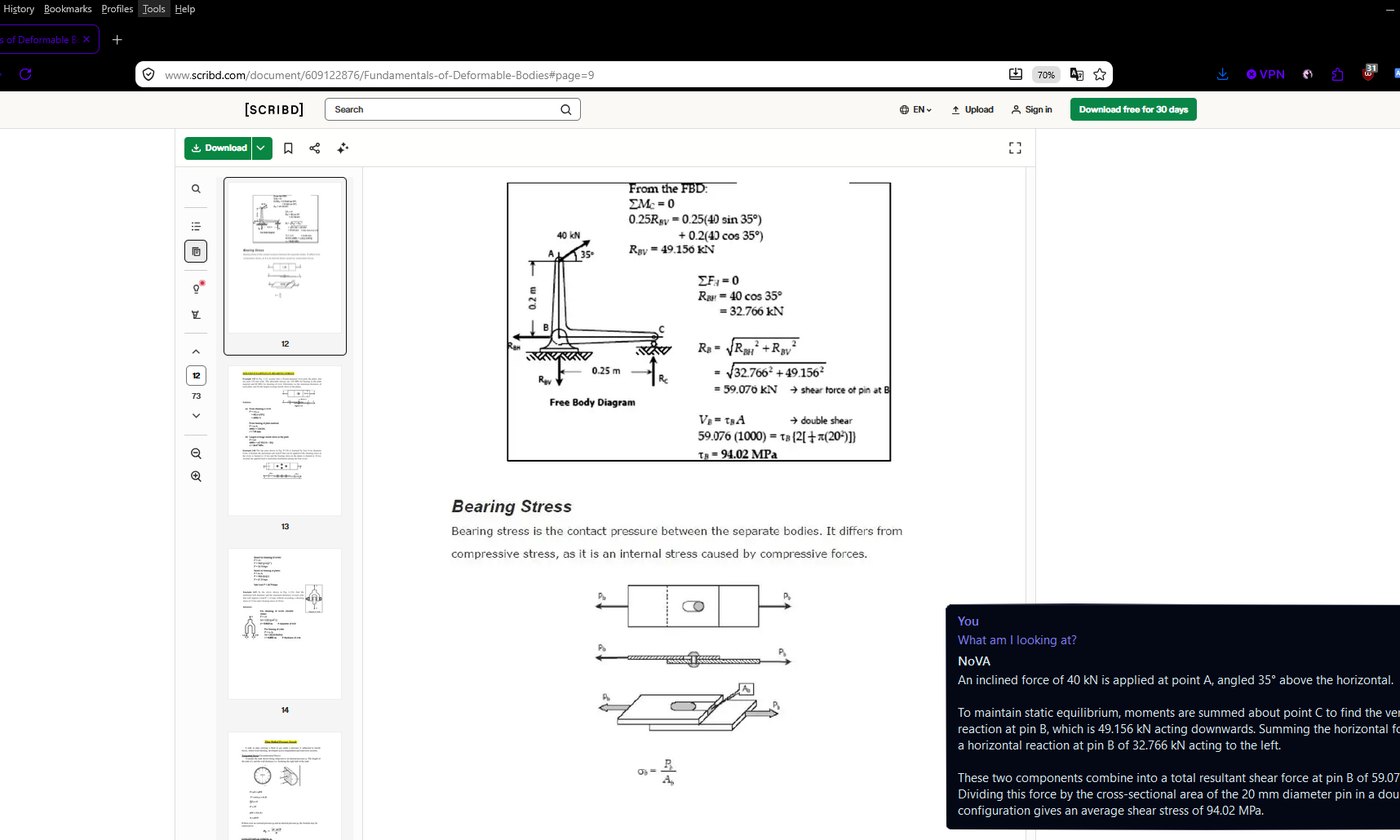
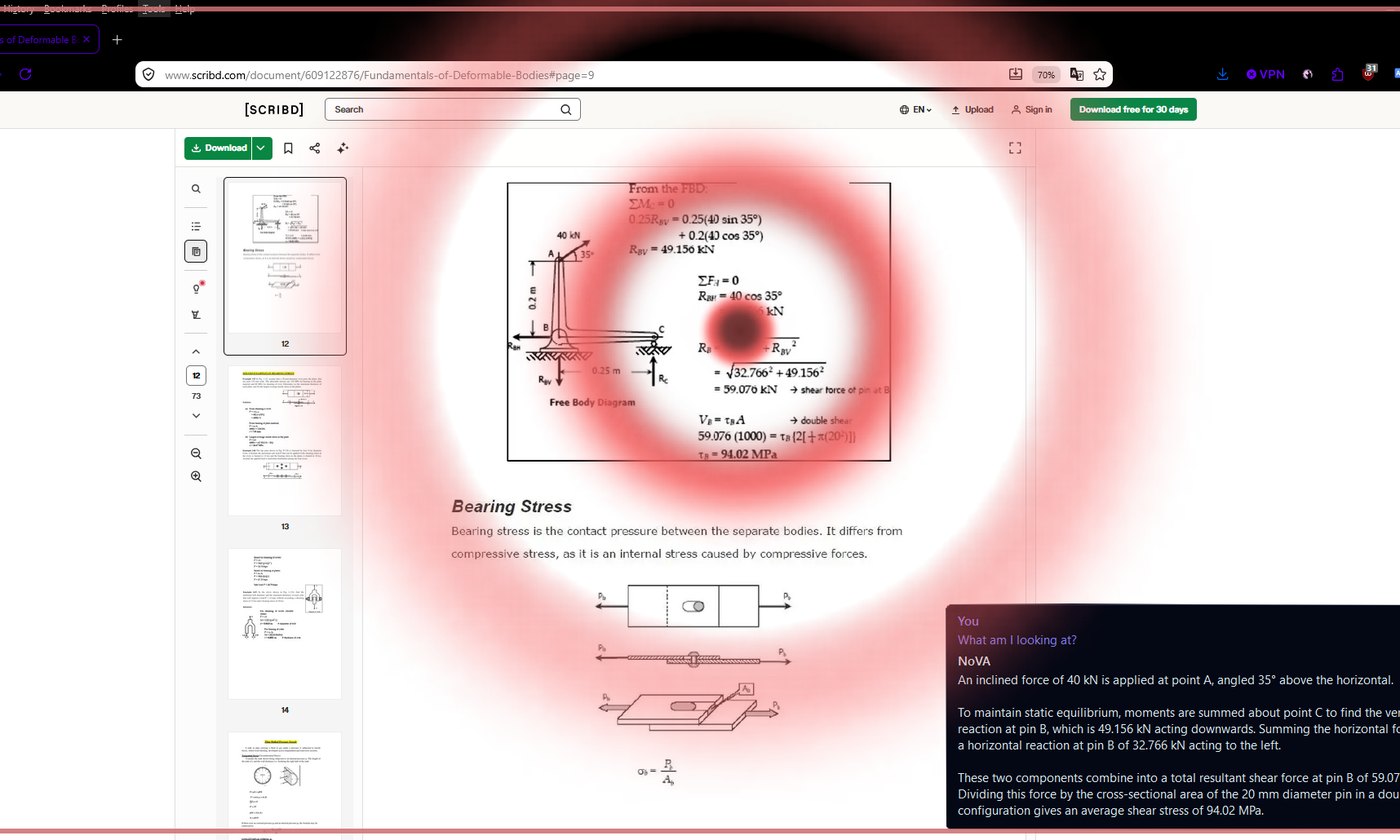
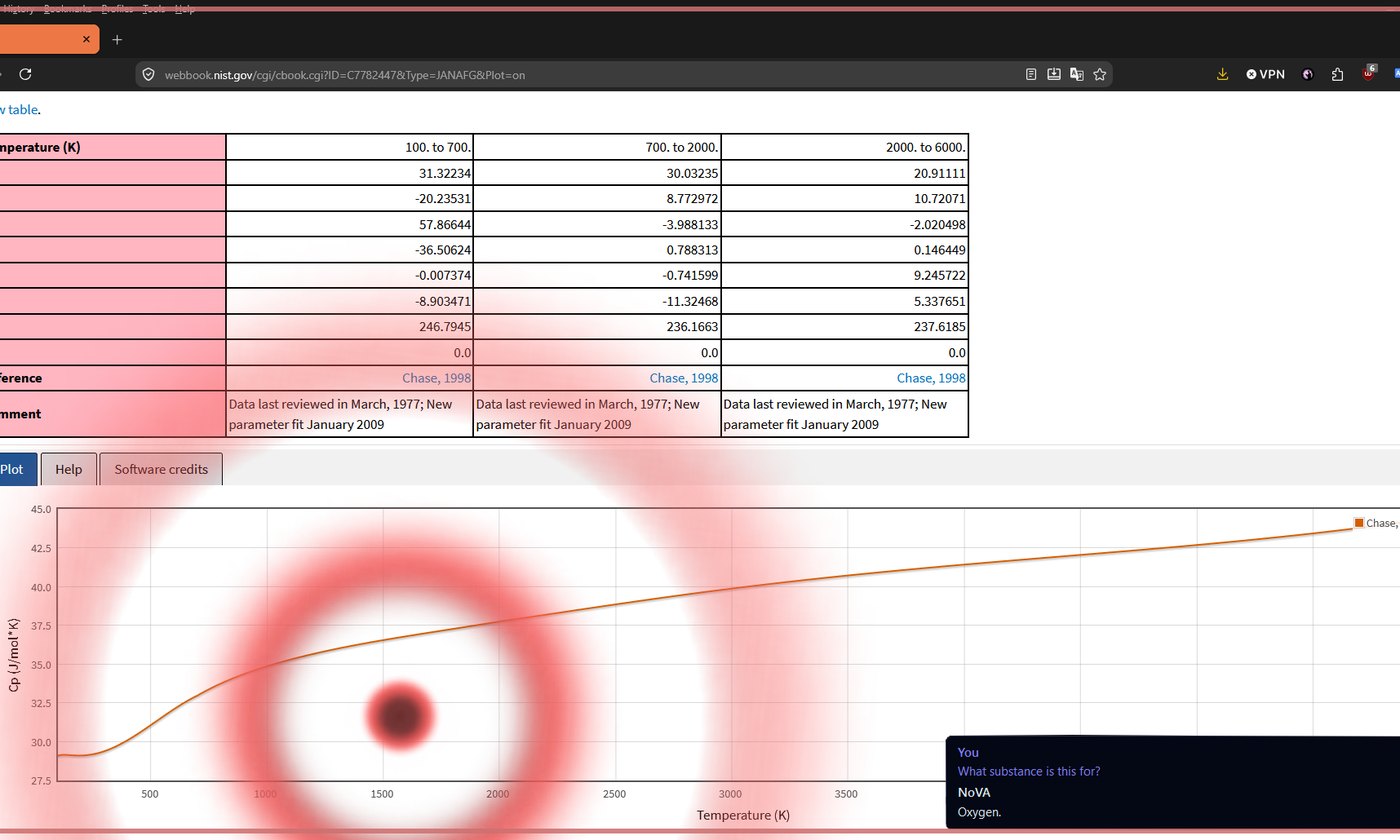
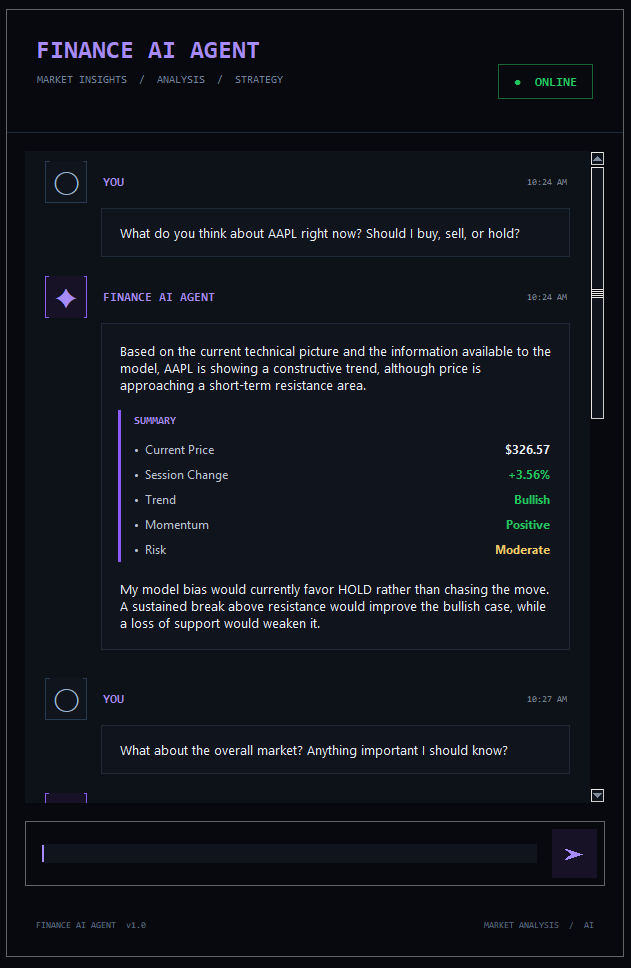
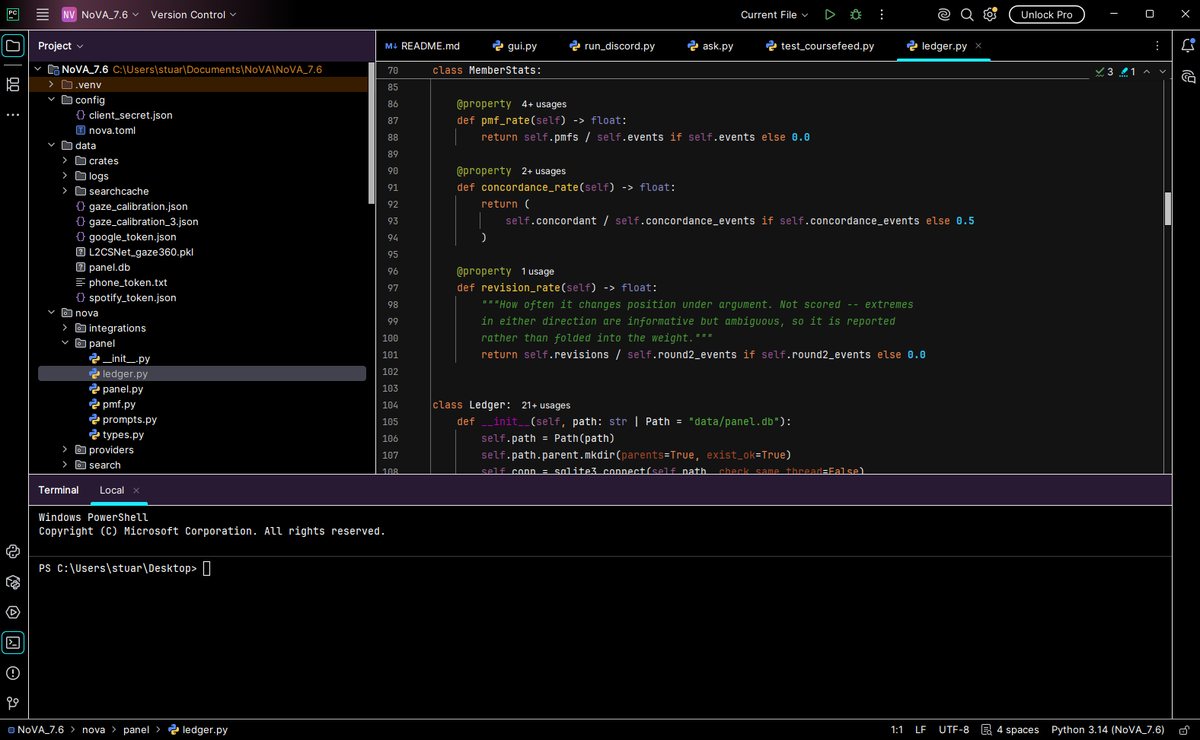
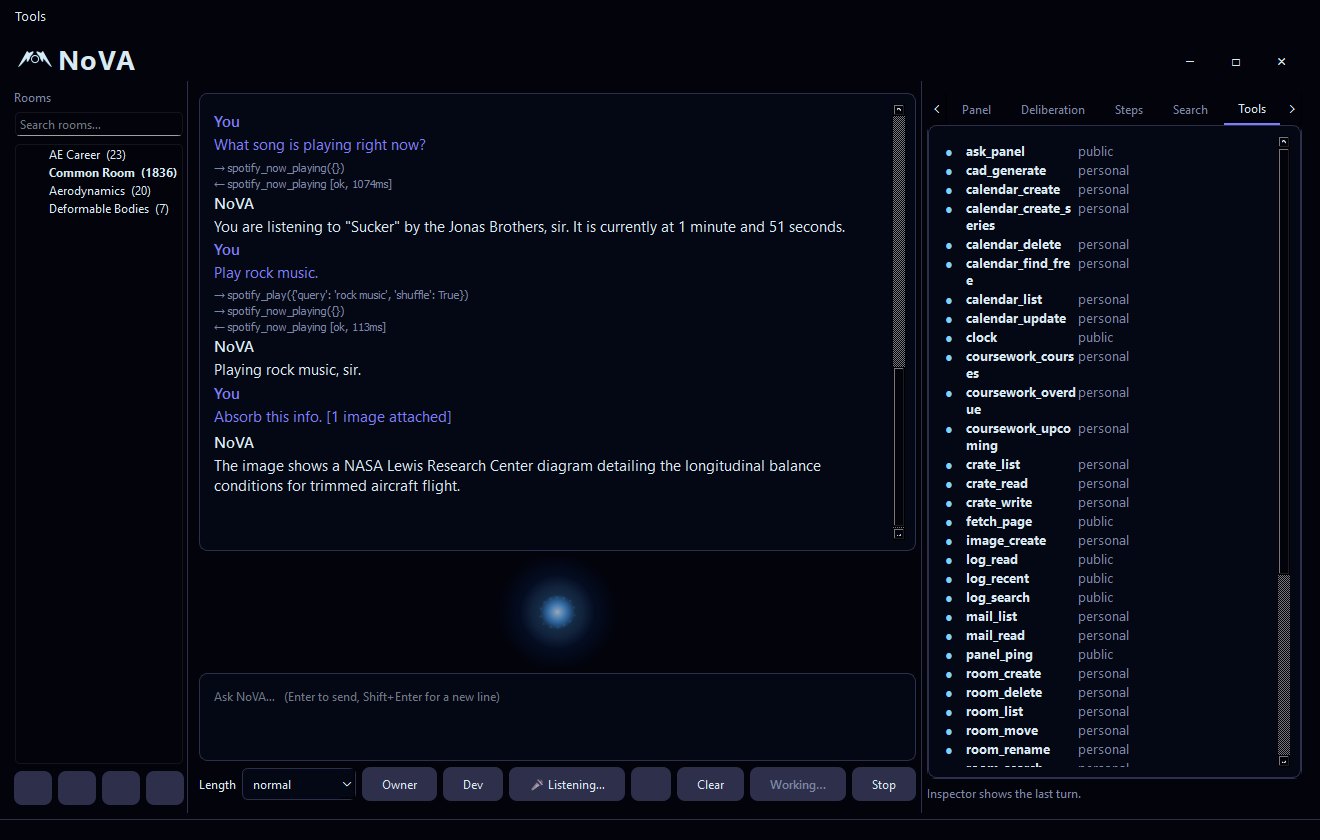
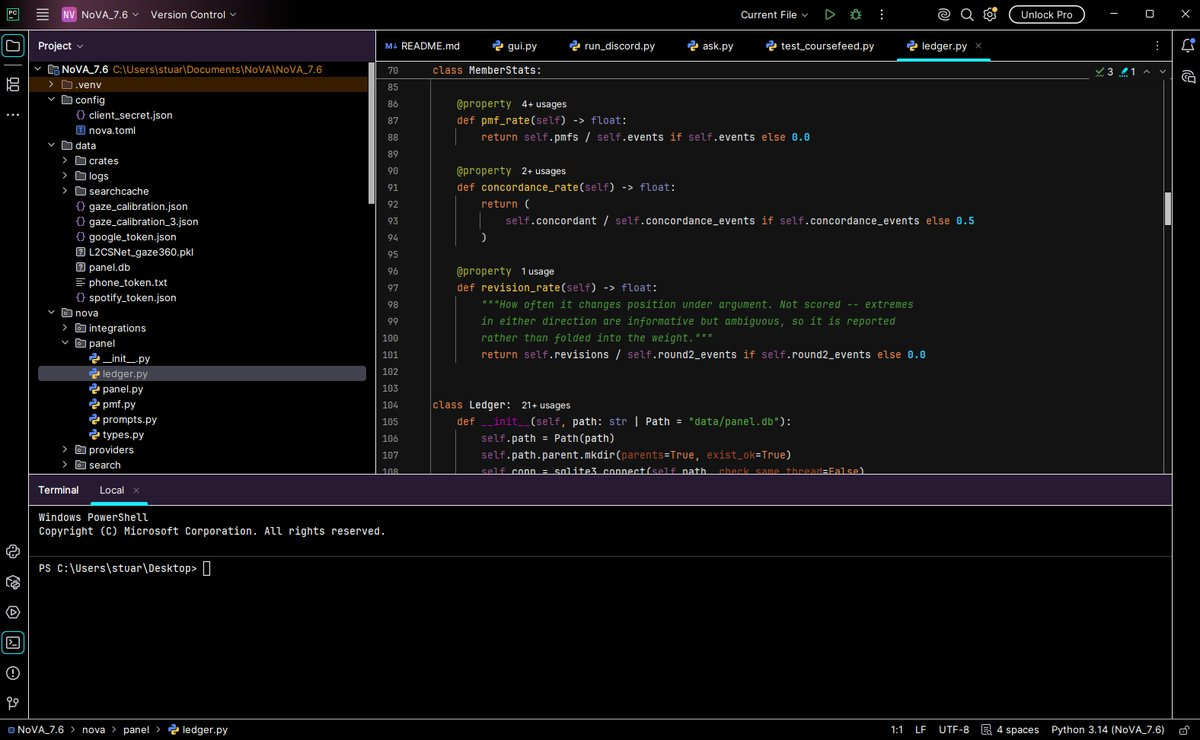
A desktop assistant that answers by consensus. Each question is put to a panel of more than 20 models, whose replies are weighted, fact-checked and reconciled into one response. It tracks the user's gaze, reads the screen and camera, and integrates with mail, calendar, Canvas, Spotify and CAD.

20+Models per answer

03

Caladrius
Role
Owner · Project Lead · Lead Developer
Period
Nov 2024 – Jul 2026

A unified workstation for quantitative market research.

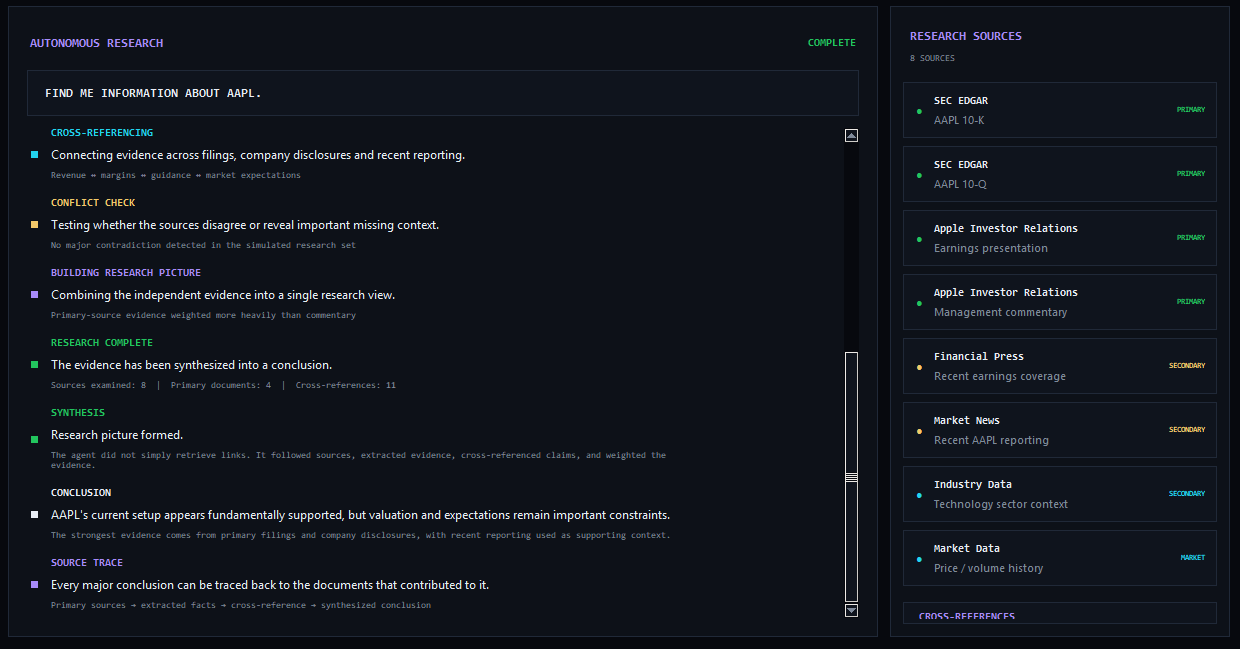
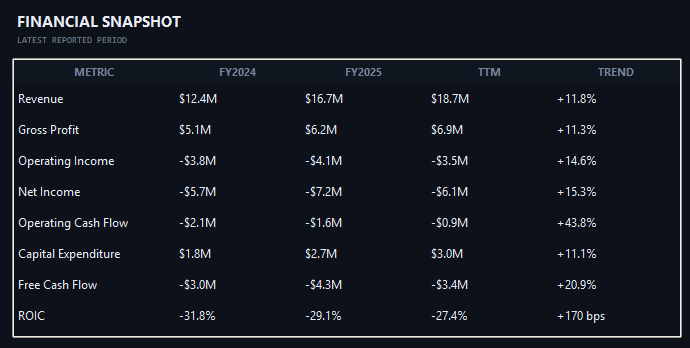
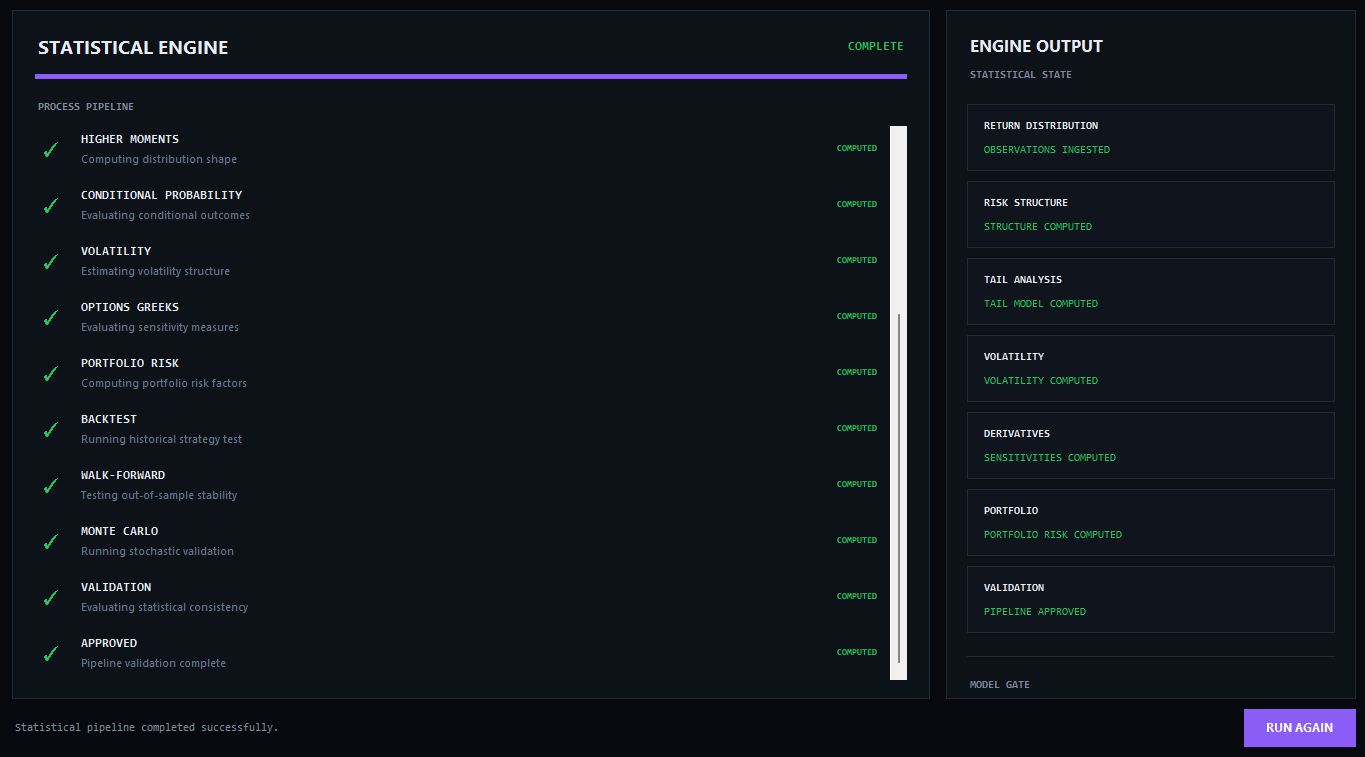
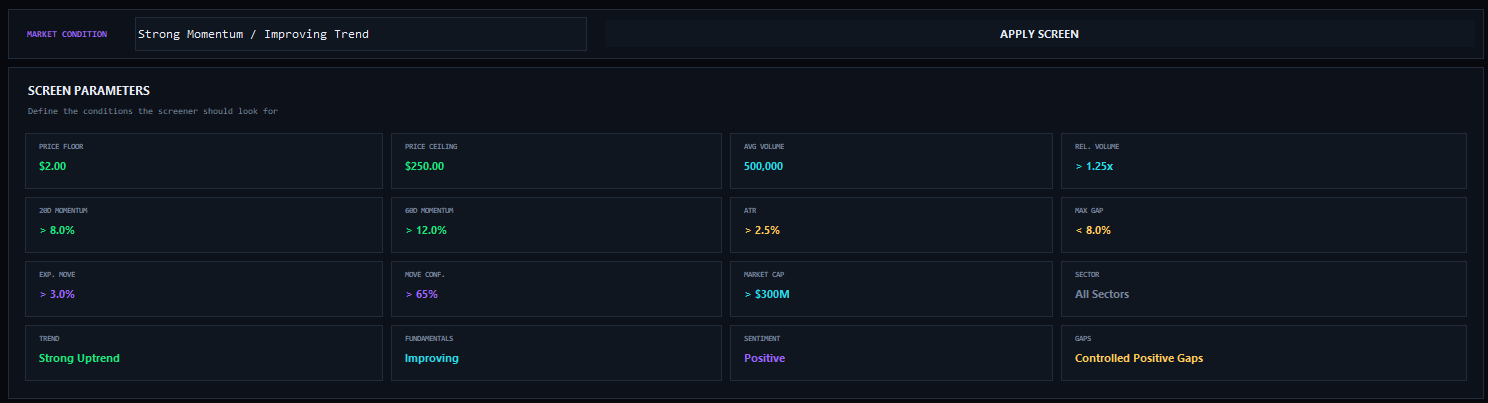
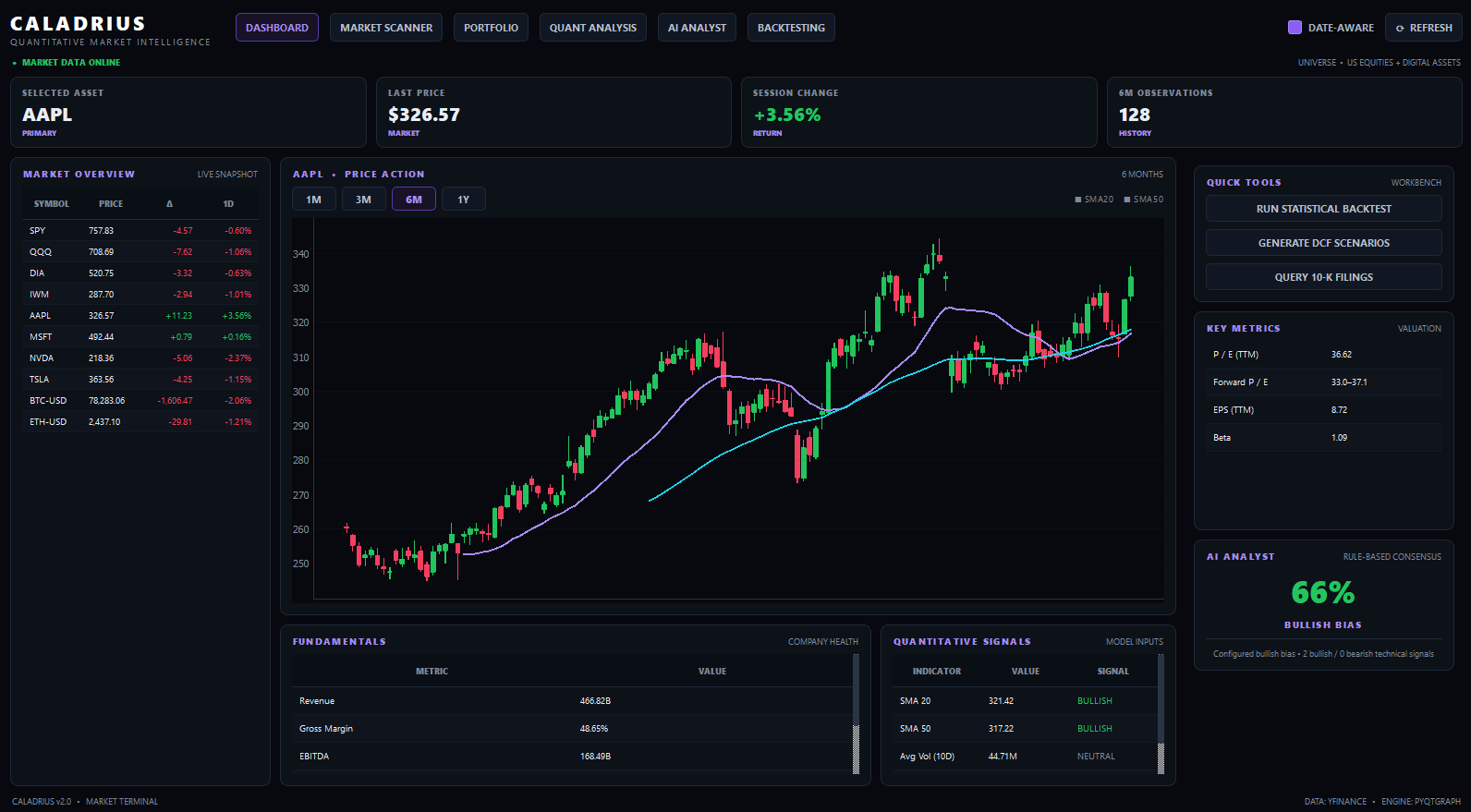
A desktop workstation for quantitative finance research. Market data, filings, statistics, options analytics and backtests draw on one cached data layer, and an AI analyst reads the technical, fundamental and risk models together and reports where they disagree. A date-aware mode holds every tool to a chosen date.

50+Analysis tools

In progress

In Development

Work that is under way and not yet written up here. Each will be added once there is something to show beyond a description.

  • Lantana
  • BackFeed
  • NEWT (Neurally Enhanced Wind Tunnel)
  • Carbon Capture Research
  • Liquid Rocket Engine (Lander) Design
  • P100 Ideal Nozzle Geometry
  • Hexapod Rover
  • 3D Physics Engine

Tools and practice

04/07

Skills

Tools

Software and languages in regular use, grouped by what they are used for.

Simulation & CAD19

  • SolidWorks
  • CATIA
  • Siemens NX
  • AutoCAD
  • Autodesk Inventor
  • Autodesk Fusion
  • Onshape
  • FreeCAD
  • Ansys Mechanical
  • Ansys Fluent
  • Ansys Workbench
  • Ansys Discovery
  • Ansys SpaceClaim
  • CFturbo
  • STAR-CCM+
  • OpenFOAM
  • Siemens Simcenter
  • OpenRocket
  • NASA CEA

Programming20

  • MATLAB
  • Simulink
  • Python
  • C++
  • C#
  • C
  • Java
  • JavaScript
  • Html
  • Css
  • Lua
  • PowerShell
  • NumPy
  • SciPy
  • Pandas
  • Matplotlib
  • PyTorch
  • Wolfram Language
  • Mathematica
  • LaTeX

Miscellaneous16

  • Git
  • GitHub
  • Visual Studio
  • VS Code
  • IntelliJ IDEA
  • PyCharm
  • Eclipse
  • JupyterLab
  • Multisim
  • LTspice
  • SQLite
  • Unity
  • Blender
  • OpenAI API
  • Anthropic API
  • Gemini API

Disciplines

How the work is carried out, from the shop floor to the schedule.

01Practical

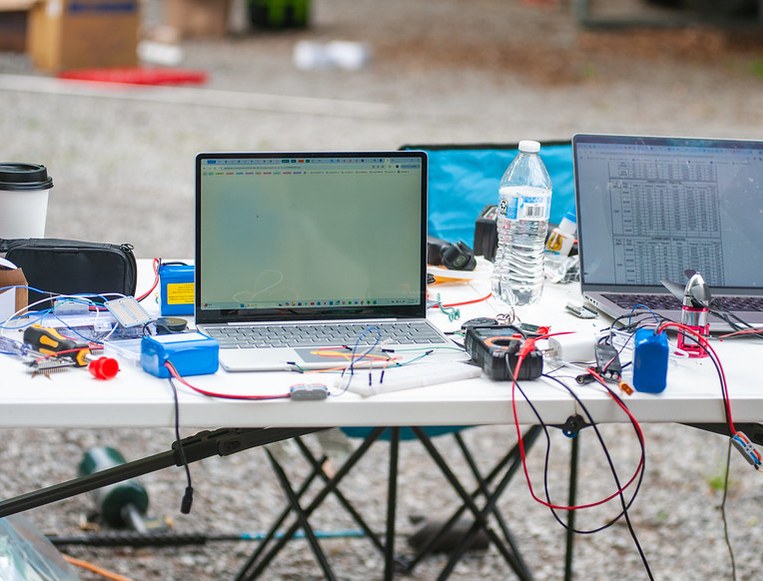
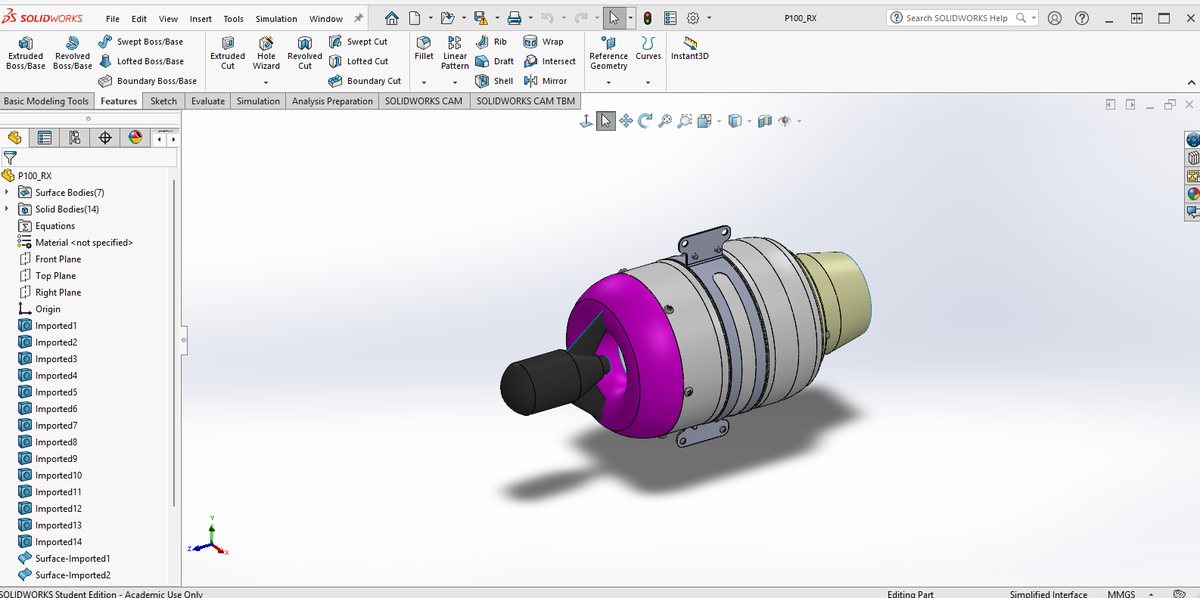
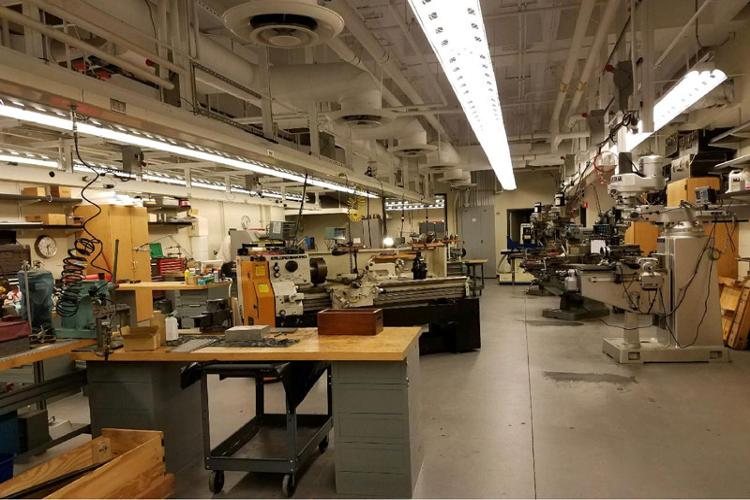
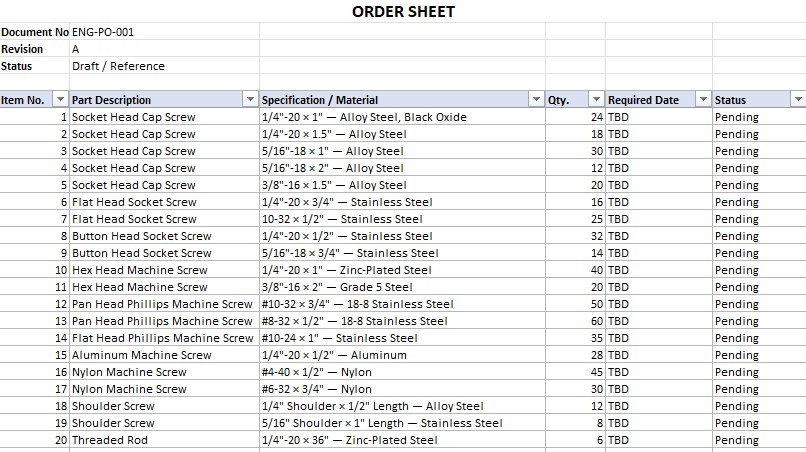
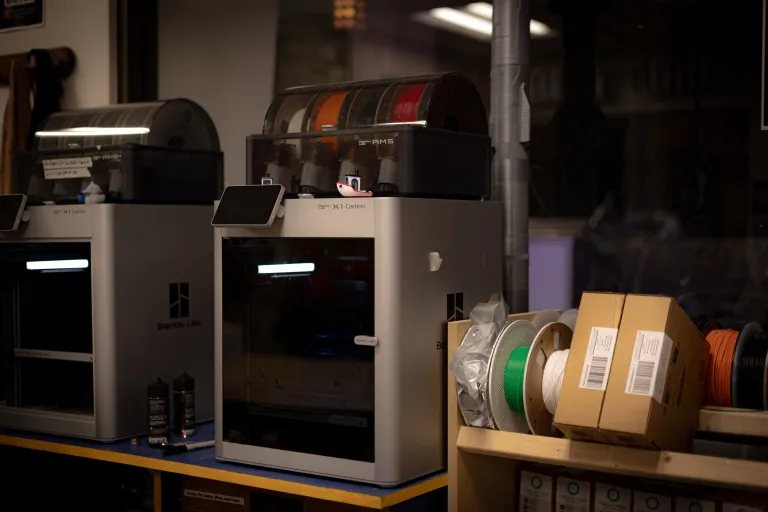
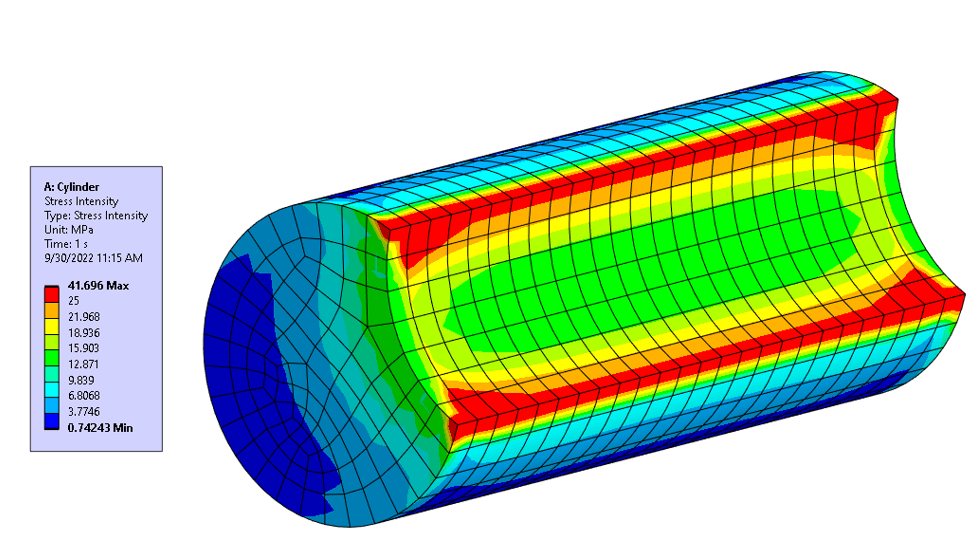
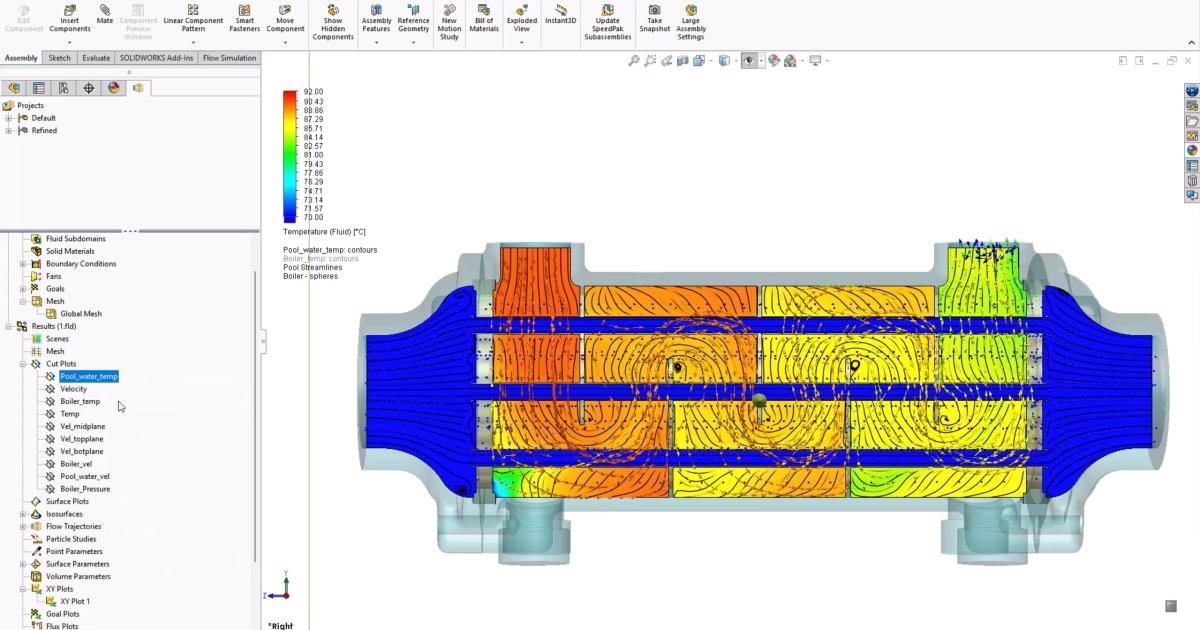
Most of my hands-on work is designing, building and testing propulsion hardware. Time on manual lathes, mills and 3D printers shapes how I draw a part, because a design should reach the shop ready to make instead of being fixed there. I model in SolidWorks, run flow and thermal studies in Flow Simulation and CFD, and check structures with finite element analysis in Ansys. On the test stand I handle the instrumentation, the data acquisition and the Python behind both, since a test is only as useful as the data it records.

  • Machining
  • Additive manufacturing
  • SolidWorks
  • Flow Simulation
  • Ansys
  • Instrumentation
  • Data acquisition
  • Python

02Academic

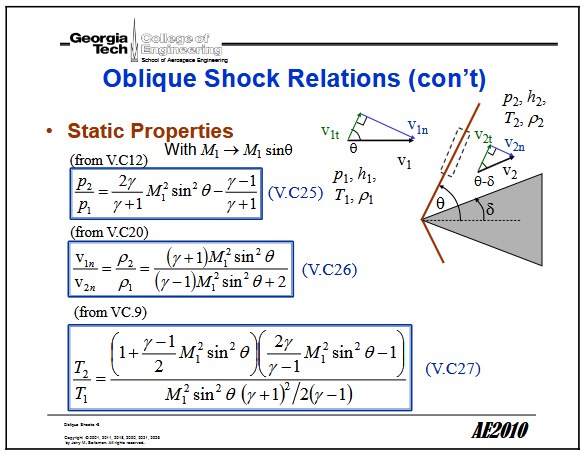
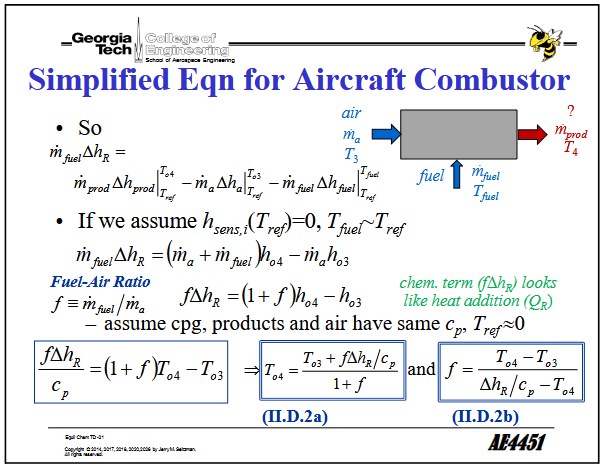
My coursework covers the core of aerospace and mechanical engineering: jet and rocket propulsion, aerodynamics, thermodynamics, vibrations and dynamics, control systems, statics, differential equations, and probability and statistics, along with engineering computations and GD&T from my first year in mechanical engineering. Around that I lean on numerical, statistical and optimization methods, and I read past the syllabus whenever a project needs more than a course covers. Results that matter get checked by hand before I trust them, whether they come out of a simulation, a spreadsheet or a model.

  • Propulsion
  • Aerodynamics
  • Thermodynamics
  • Structures
  • Control theory
  • Numerical methods
  • Independent reading
  • Hand verification

03Logistical

I handle much of the scheduling, purchasing and documentation on the teams I work with. Hardware is ordered from a sourced bill of materials, and every subsystem works from one shared schedule, so dependencies show up before they turn into delays. I plan and run tests, write the technical documentation that goes with them, and work through failure analysis and troubleshooting with the group when something doesn't go to plan. Before engineering, I was a team lead at Panera Bread, supervising shifts and training new employees, which is where I learned to keep a group organized and moving.

  • Scheduling
  • Purchasing
  • Documentation
  • Bills of materials
  • Test planning
  • Failure analysis
  • Team leadership

Background

05/07

About Me

Seeking a Summer 2027 internship · Eligible for security clearance

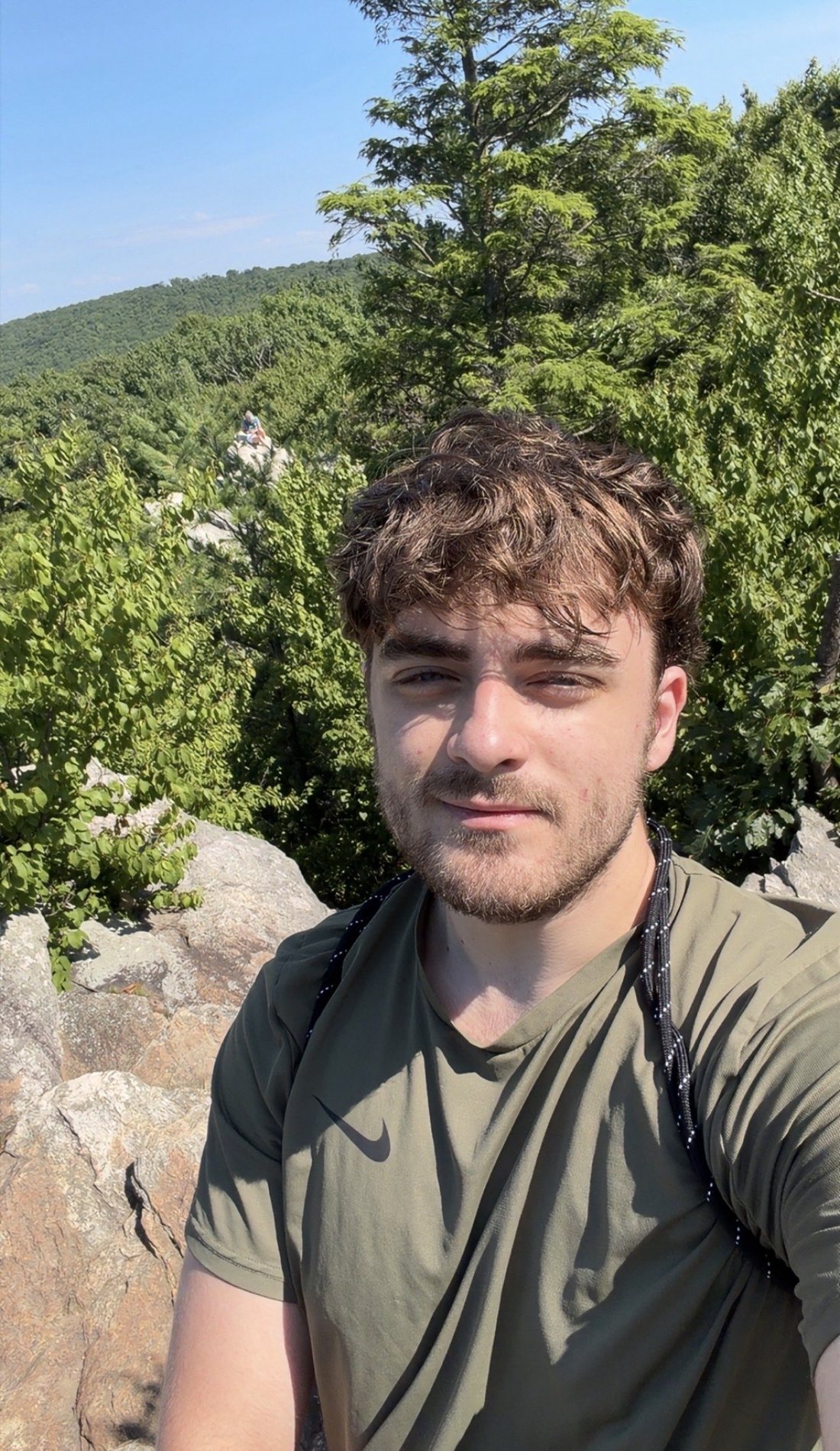
I’m an aerospace engineering student at Georgia Tech, and I grew up in Mechanicsburg, Pennsylvania.

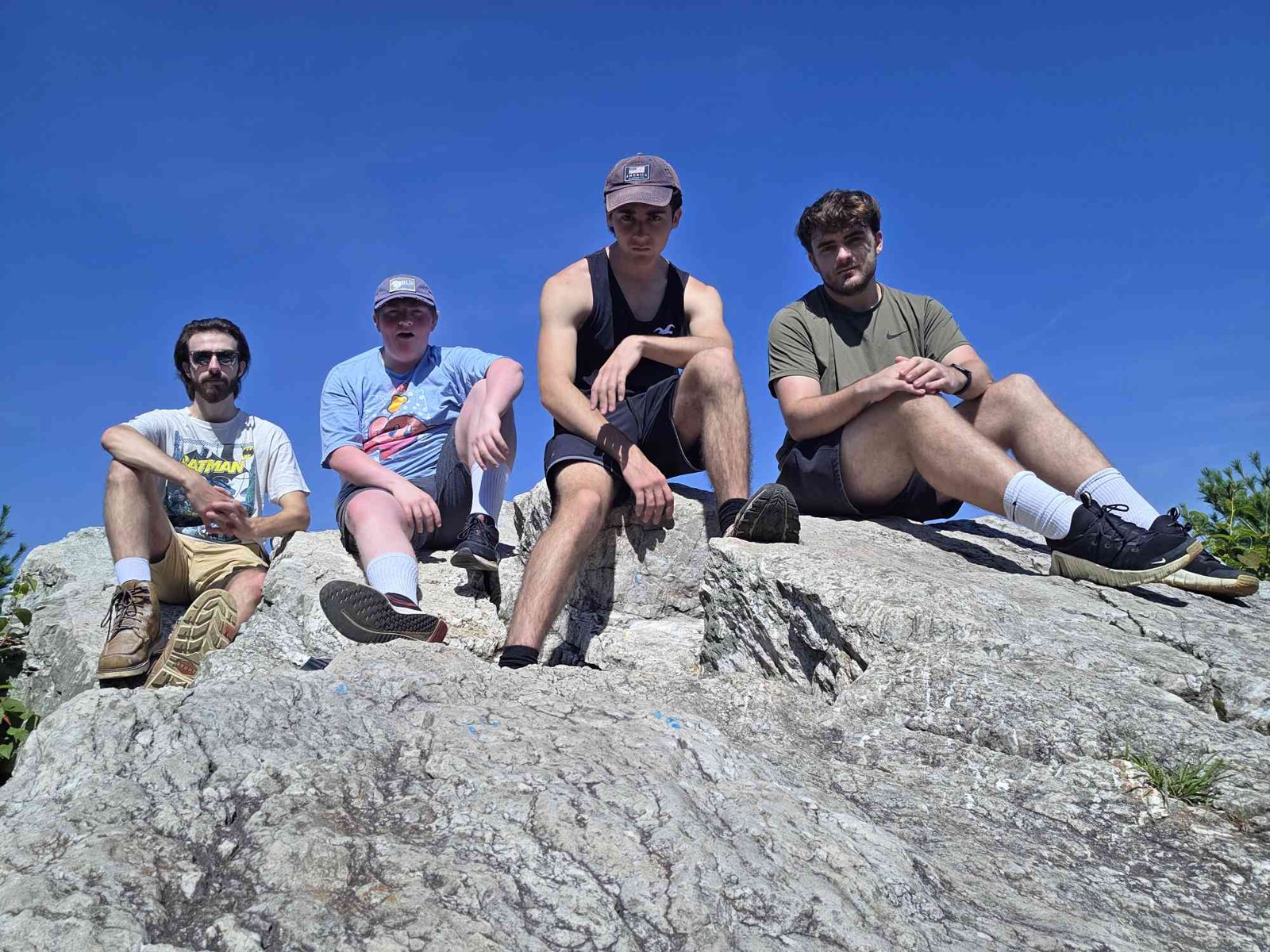
I got into engineering by wondering how things are built and why they break, and that question still drives most of what I do outside of class. A design can look right on paper and still be wrong, so the work I enjoy most is the kind that gets built and tested, where the hardware tells me whether I was right. I treat coursework and research as checks on each other, since each fills in what the other can’t reach. When I’m away from the desk, I’m usually biking, hiking, lifting or drawing. On a team, I value people who are willing to be wrong early, in front of a test stand or a colleague, instead of late and in front of a customer.

Education

B.S. Aerospace Engineering

Georgia Institute of TechnologyExpected May 2028

Coursework

  • Jet Propulsion
  • Rocket Propulsion
  • Aerodynamics
  • Thermodynamics
  • Vibrations and Dynamics
  • Control Systems
  • Probability and Statistics
  • Statics
  • Differential Equations
  • Engineering Computations
  • GD&T

Interests

  • Propulsion
  • Combustion
  • Aircraft Design
  • Robotics
  • Turbomachinery
  • Supersonic Flight
  • Hypersonic Flight
  • Liquid and Hybrid Rocketry
  • Defense Applications
  • AI Applications
  • Computer Simulations
  • Materials Science
  • Computer Science

Hobbies

  • Biking
  • Hiking
  • Strength Training
  • Digital Art

Goals

A Summer 2027 internship in aerospace or mechanical engineering is the near-term objective. Most of that work is analysis, and the part I find most instructive is the point at which a prediction meets the hardware it was written for, since that is where the assumptions are either confirmed or shown to have been wrong. Over a longer horizon the intent is to carry systems from concept through qualification and flight.

Independent study

Learning does not stop when the coursework does.

Much of my free time goes to subjects that no class assigns. I take up new topics and new languages on my own, and work through each one until I can use it rather than only recognize it. The habit carries into every project: when a problem calls for a method I do not yet know, learning that method becomes part of the work.

Workstation

My computer runs Arch Linux.

Arch installs as a minimal base and is assembled by hand, so the system holds only what I chose to put on it and I know how each part fits together. It is a rolling release, which keeps compilers and libraries current, and it expects its user to read the documentation and repair what breaks. That makes it both a working environment and an ongoing lesson in how an operating system is put together.

  • Rolling releaseUpdated continuously instead of in numbered versions.
  • Built from baseA minimal install, assembled one package at a time.
  • The Arch WikiDocumentation written for users who fix things themselves.
stuart@archlinux: ~


Listening

From my Spotify: most played artists and tracks.

Long Season album cover

Favorite song

Long Season

Fishmans · 1996

35minutes, as a single continuous piece that fills the whole album.

  1. Into the Endless Night (Live) Parannoul46:06
  2. Long Season Fishmans35 min
  3. Echoes Pink Floyd23:33
  4. Aria Math C4185:10
  5. A typical single for scale3.5 min

Milestones

06/07

Timeline

Past entries are dated from records. Hollow markers are still ahead.

  1. George Washington University

    Began undergraduate studies in mechanical engineering.

  2. Transferred to Georgia Tech

    Finished at George Washington University and transferred to Georgia Tech for aerospace engineering.

  3. Joined Georgia Tech Propulsive Landers

    Propulsion Systems Engineer on the hybrid lander.

  4. Joined the Computational NanoBio Technology Lab

    Undergraduate Researcher modeling sorbents for carbon capture.

  5. Joined the Georgia Tech Supersonics Club

    Combustion & Propulsion Systems Engineer.

  6. Internship

    Seeking an internship in aerospace or mechanical engineering.

  7. B.S. Aerospace Engineering

    Georgia Institute of Technology.